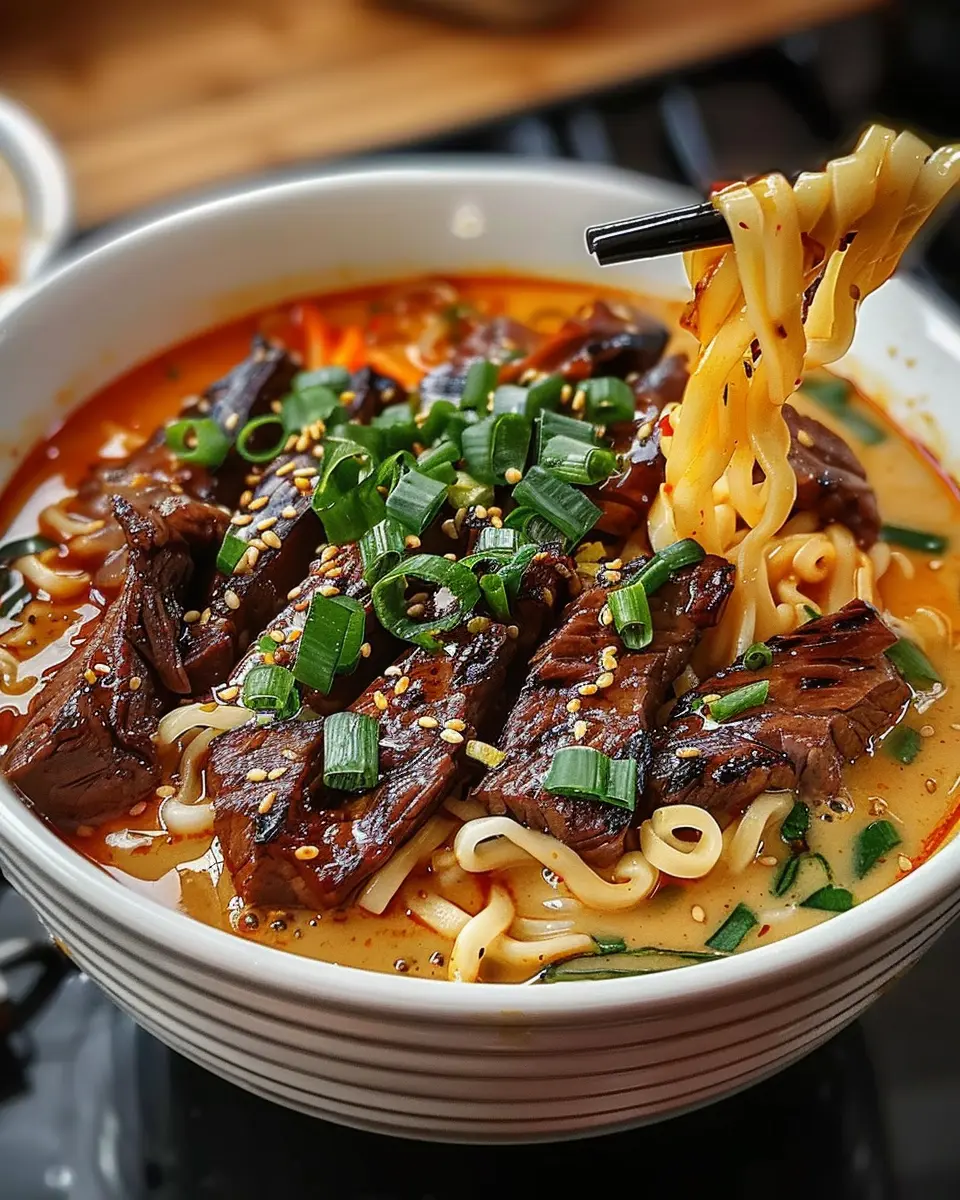





Introduction to Japanese Katsu Bowls
In today’s fast-paced world, where takeout often replaces home-cooked meals, many are rediscovering the joy of cooking. The rise of homemade meals, especially in urban settings, is not just a trend—it’s a lifestyle shift. According to a study from the Hartman Group, over 75% of millennials express a desire to prepare more meals at home. Each recipe becomes an opportunity to connect with loved ones and explore different cultures, like Japanese cuisine.
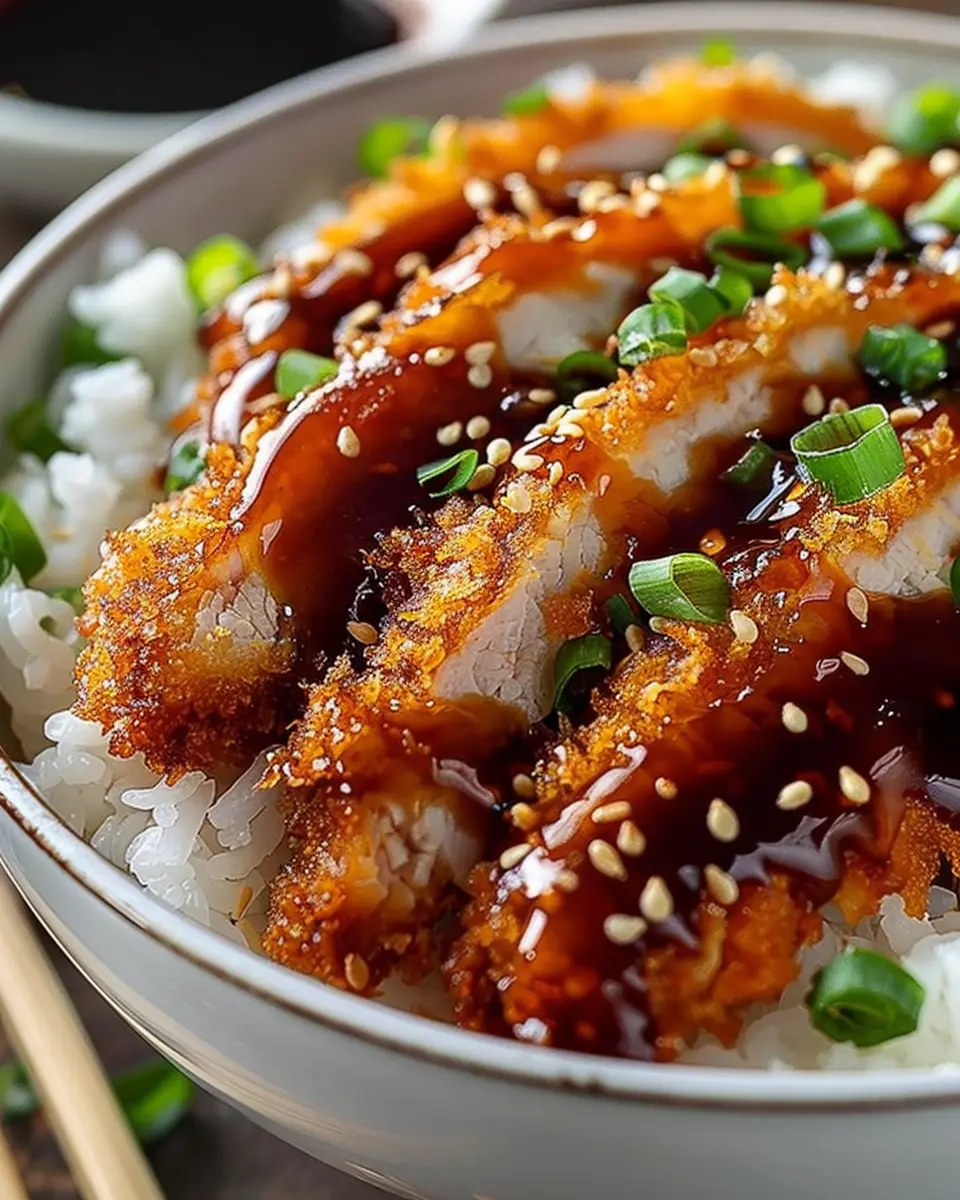
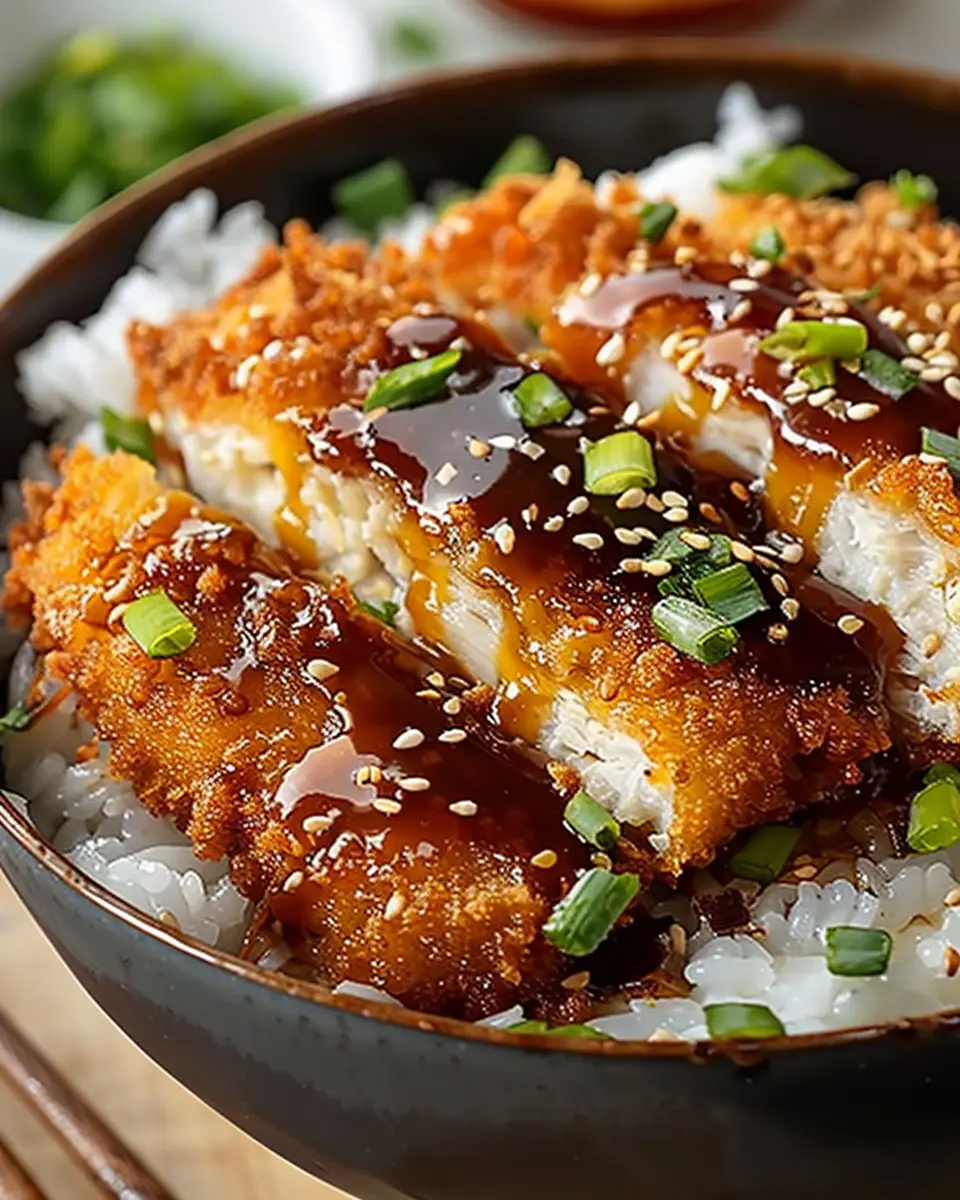
One dish that perfectly encapsulates this trend is the Japanese Katsu Bowl. Katsu, originating from the Japanese word “katsura,” meaning “to cut,” refers to breaded and deep-fried protein, typically pork, but versatile enough to use beef or even a variety of substitutions. Served over rice with a drizzle of tonkatsu sauce, it has quickly become a favorite not just in Japan but around the globe. The comfort of a warm bowl of katsu is hard to beat, and making it at home is more accessible than you might think.
These bowls are prime examples of delicious, satisfying meals that you can whip up quickly, giving you that fast-food fix with wholesome ingredients and flavors. A little research online can lead you to countless variations, enabling you to customize the katsu to your taste preferences. You could opt for chicken ham or even turkey bacon for a twist, allowing for healthy and creative versions of this beloved dish.
Embracing Culinary Creativity
Another fascinating element of creating Japanese Katsu Bowls is how it encourages culinary creativity without the need for advanced cooking skills. Whether you’re a seasoned chef or a novice in the kitchen, preparing katsu can be a rewarding experience that boosts your confidence. You’ll find it offers a fun way to experiment with flavors and techniques while drawing from Japan’s rich culinary heritage.
Plus, cooking at home is often more economical and healthier compared to frequent restaurant visits. Not to mention, you can adjust the flavors to suit your needs—think about reducing sodium in store-bought tonkatsu sauce or adding extra veggies.
By immersing yourself in the preparation of such a delightful dish, you’re not just feeding yourself—you’re embracing a culture and building lasting memories in the process. So, are you ready to roll up your sleeves and experience the joy of making your very own Japanese Katsu Bowl?
Ingredients for Japanese Katsu Bowls
Essential ingredients for the perfect katsu
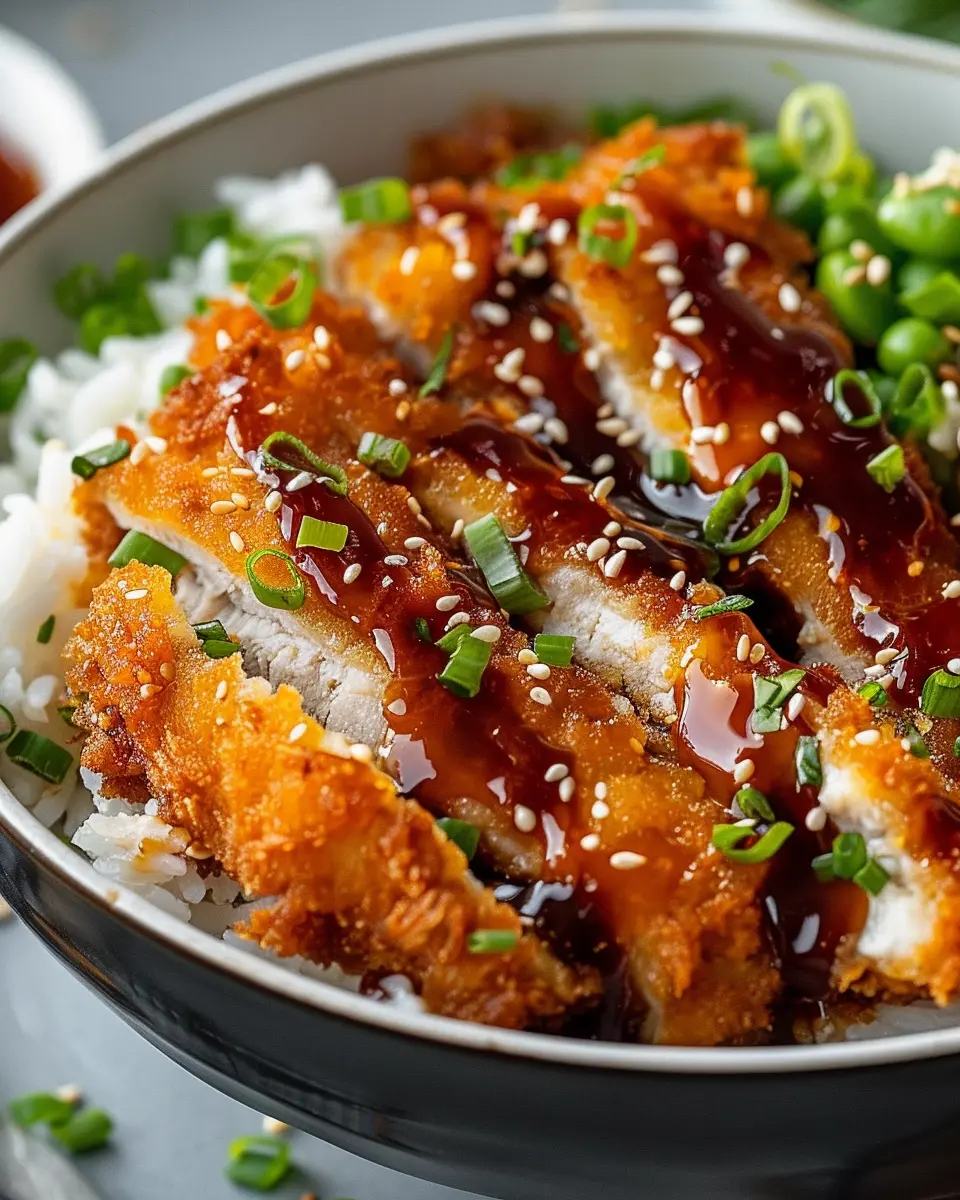
Creating delicious Japanese Katsu Bowls starts with a few key ingredients. Here’s what you’ll need:
- Beef cutlet: Choose a tender cut of beef for easy frying and great flavor.
- Panko breadcrumbs: These give your katsu its delightful crunch.
- Eggs: They help the breadcrumbs stick to the beef perfectly.
- All-purpose flour: Creates a light coating for the beef before frying.
- Tonkatsu sauce: Essential for that signature sweet and tangy flavor. Look for reputable brands or make your own for a personalized touch!
You can easily find most of these ingredients at grocery stores or check out specialized Asian markets for fresh options.
Optional ingredients to elevate your dish
Once you’ve nailed the basics, consider these optional ingredients to further enhance your Japanese Katsu Bowls:
- Turkey Bacon or Chicken Ham: For a savory twist, adding some cooked turkey bacon or chicken ham can introduce an exciting flavor contrast.
- Garnishes: Fresh green onions or sesame seeds can elevate the visual appeal and add extra flavor.
- Vegetables: Serve your katsu over a bed of rice with sautéed or pickled vegetables for a colorful bowl.
Feel free to mix and match according to your taste. Who knows? You might discover a unique combination that becomes your new favorite!
Step-by-step preparation of Japanese Katsu Bowls
Japanese Katsu Bowls are a delightful fusion of flavors, textures, and aromas that are sure to impress both friends and family. If you’ve ever indulged in crispy katsu with a rich tonkatsu sauce and wondered how to replicate that experience at home, you’re in for a treat. Let’s dive into the step-by-step preparation process of creating these delicious bowls!
Prepare the chicken (or beef)
The first step in crafting a delicious Japanese Katsu Bowl is choosing your protein. Traditionally, katsu is made with pork, but for a twist, you can opt for chicken or beef. Here’s how to prepare it:
- Choose your meat: Select boneless chicken breasts or tender beef steaks. Chicken tends to be more forgiving and works beautifully for beginner cooks!
- Cook with care: If using chicken, pound the breasts to an even thickness of about half an inch. This ensures even cooking and tenderness. If you go for beef, a tender cut like sirloin will work wonders.
- Marinate for flavor (optional): For added moisture and richness, marinate your meat in a mixture of soy sauce and garlic for about 15 minutes. This step takes only a little time but elevates the flavor significantly.
Set up your dredging station
Now that your protein is ready, it’s time to set up the dredging station, which is crucial for achieving that signature crispy coating:
- Prepare your ingredients: You’ll need three shallow dishes to create a breading assembly line. In one dish, place all-purpose flour; in the second, beat a couple of eggs; and in the third, spread out Panko breadcrumbs, which are key for that extra crunch.
- Season wisely: Remember to season each layer! Add salt and pepper to the flour and eggs, and consider incorporating garlic powder or paprika for an extra kick. The layering of flavors can make or break your Japanese Katsu Bowls.
Coat the chicken and get ready to fry
Now that the dredging station is set, let’s get to the fun part:
- Coat with care: Take your piece of meat and first dip it into the flour, ensuring it’s well coated. Shake off any excess before moving it to the egg wash, allowing the egg to cling to the flour. Finally, press it into the Panko breadcrumbs, ensuring every inch is covered. This three-step process creates that desired crunchy exterior.
- Let it rest: After breading, allow the coated chicken or beef to rest for about 10 minutes. This helps the breadcrumbs stick better and ensures a better frying experience.
Fry the katsu to crispy perfection
With everything prepped, it’s time to bring that perfect crunch:
- Heat the oil: In a heavy skillet or deep fryer, heat about 1 inch of oil over medium heat. A good temperature is around 350°F (175°C). You’ll know it’s ready when a breadcrumb dropped in sizzles immediately.
- Fry with love: Carefully add your coated meat to the hot oil, frying for about 4-5 minutes on each side, or until golden brown. Don’t overcrowd the pan; you want them to fry evenly. Use a slotted spoon to flip and remove them when they’re perfectly crispy.
Assemble the katsu bowls
Now that your katsu is fried to perfection, it’s time for the grand assembly:
- Start with a base: Cook a bowl of fluffy Japanese rice to serve as the foundation. Place it at the bottom of a deep bowl.
- Add the katsu: Slice the fried chicken or beef into bite-sized pieces and lay it on top of the rice.
- Top it off: Drizzle the glorious tonkatsu sauce generously over the katsu. You can also add sautéed vegetables, pickled ginger, or shredded cabbage for added crunch and freshness.
And there you have it—the perfect Japanese Katsu Bowls ready to be enjoyed! This meal isn’t just about filling your stomach; it’s about creating a culinary experience. Serve it to friends, host a dinner party, or simply treat yourself on a cozy night in. Enjoy your cooking adventure!
Variations on Japanese Katsu Bowls
Japanese Katsu Bowls are not just versatile and delicious; they also offer an array of possibilities to suit various tastes and dietary preferences. Let’s explore a couple of delightful variations you can try at home!
Delicious Vegetarian Katsu Options
For those who prefer meatless meals, veggie katsu is the way to go. Instead of traditional beef, you can use:
- Eggplant: Sliced thin, breaded, and fried for a crispy texture.
- Tofu: Firm tofu works wonderfully when marinated, coated, and fried until golden.
- Mushrooms: Portobello or shiitake mushrooms add an umami kick while also being hearty.
These vegetarian alternatives still deliver that satisfying crunch and can be served with the classic tonkatsu sauce for a familiar taste. Check out more about vegetarian katsu options here.
Elevate Your Katsu Bowl with Sauces and Toppings
One of the best things about Japanese katsu bowls is how you can mix and match sauces and toppings to create your own masterpiece. Consider trying:
- Katsu sauce variations: Experiment with a homemade sauce by adding a bit of sriracha or honey for a touch of sweetness and heat.
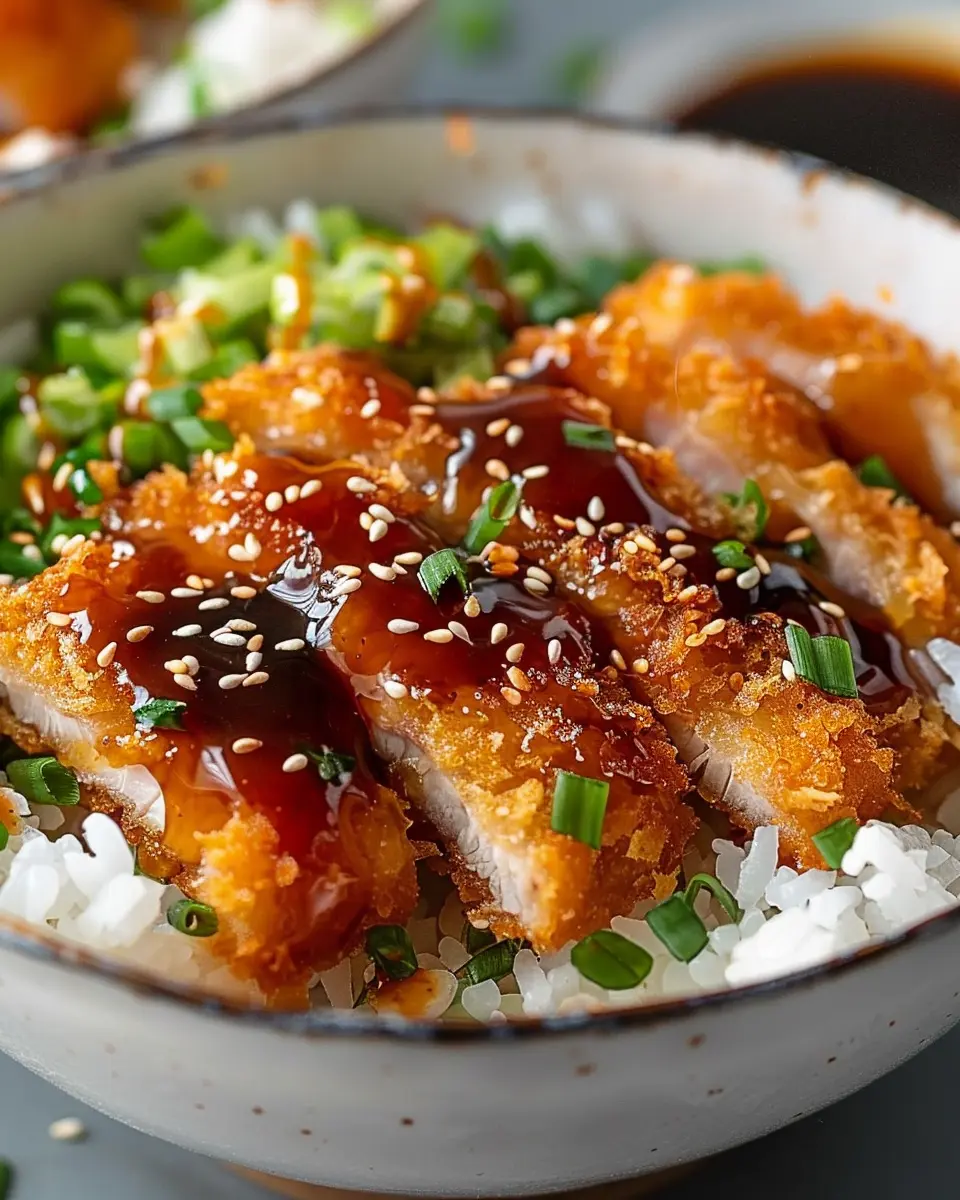
- Toppings: Thinly sliced green onions, toasted sesame seeds, or even a drizzle of sesame oil can transform your bowl.
- Pickled vegetables: Adding a side of pickled radish or cucumber brings a lovely crunch and acidity to balance the richness of the katsu.
Feeling adventurous? You might want to try adding some Japanese mayonnaise, which provides a creamy finish that pairs nicely with either the beef katsu or its vegetarian counterparts.
With these variations, you’ll never run out of delicious combinations for your Japanese katsu bowls! So grab your ingredients and get creative in the kitchen!
Cooking tips and notes for Japanese Katsu Bowls
Achieving the perfect crust
To create that iconic crunchy crust for your Japanese Katsu Bowls, start with panko breadcrumbs. Coarse and airy, they give a delightful texture you just can’t replicate. Don’t rush the breading process; ensure your meat is fully coated by dipping it in flour, then egg before pressing it into the panko. For best results, let your breaded pieces rest for a few minutes before frying. This little trick helps the coating adhere better, resulting in a beautifully crispy finish.
Tips for frying without the mess
Frying can be daunting, but it doesn’t have to be! A few simple strategies can keep your kitchen tidy. First, use a deep, heavy-bottomed pot to minimize splatter. When frying, keep the oil at a steady 350°F (175°C) — the perfect temperature for achieving that golden crust without excess grease. Also, gently place the katsu into the oil, avoiding any splashes. Once done, let them rest on a wire rack to keep that crispy texture intact.
A tip to consider is using a splatter screen; it’s a game changer! Want more insights? Check out Serious Eats for detailed frying techniques. Happy cooking!
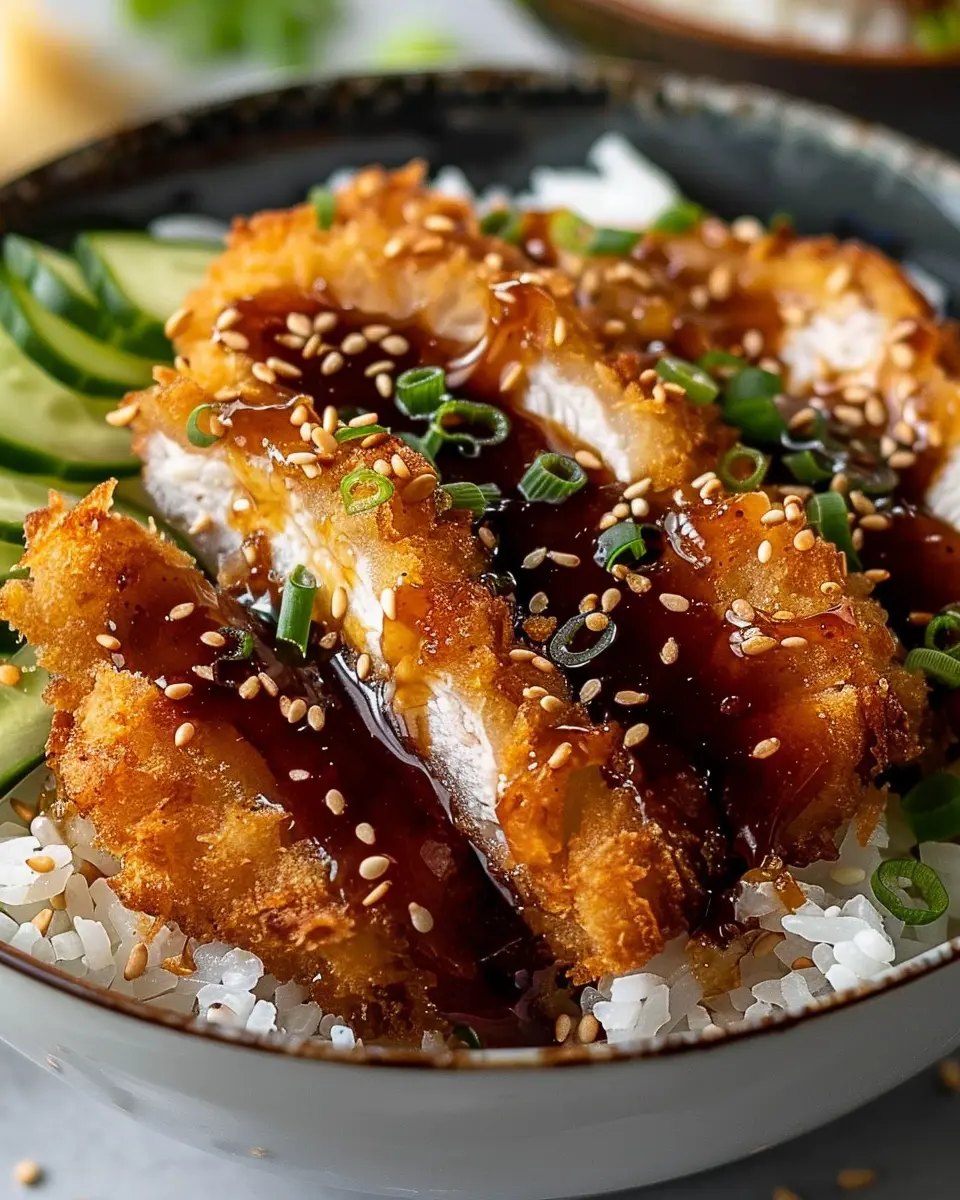
Serving suggestions for Japanese Katsu Bowls
Best sides to serve with your katsu bowls
When crafting the perfect meal, it’s all about balance. To complement your Japanese Katsu Bowls, consider serving a crispy cabbage salad dressed in a light sesame vinaigrette, which adds crunch and freshness. Alternatively, a side of steamed rice goes wonderfully, allowing those savory flavors of the katsu and tonkatsu sauce to shine. For a delightful twist, add some pickled vegetables for that tangy contrast, or consider a small bowl of miso soup for warmth and depth. If you want something heartier, a light udon noodle salad tossed with vegetables can also be a fantastic addition.
Creative garnishing ideas
Elevate your Japanese Katsu Bowls with creative garnishing! Garnish with finely sliced green onions for a pop of color and flavor. A sprinkle of sesame seeds can introduce a delightful crunch, while thinly sliced nori strips add an authentic touch. For an unexpected flare, try adding a dollop of Japanese mayo or a drizzle of spicy sriracha for those who enjoy a little heat. Play around and make it visually appealing—because we eat with our eyes first!
For more unique ideas, check out resources on authentic Japanese cuisine to explore the many ways to create a memorable dish.
Time breakdown for Japanese Katsu Bowls
Preparation time
Creating delicious Japanese Katsu Bowls starts with a bit of prep work. You’ll need around 15 minutes to gather your ingredients and get everything ready. This includes chopping vegetables, seasoning your beef, and preparing the breadcrumbs. If you want to enhance your flavor game, consider visiting a local Asian market for the freshest ingredients.
Cooking time
The cooking process is where the real magic happens! Expect to spend about 20-25 minutes frying the beef to golden perfection and cooking the rice. Keep an eye on the temperature, and you’ll be rewarded with a crispy katsu every time.
Total time
In total, you’re looking at around 40 minutes from start to finish. It’s a quick yet satisfying meal that’s perfect for busy weeknights or impressing friends at a gathering. Trust me, once you’ve tasted your homemade Japanese Katsu Bowls with Tonkatsu Sauce, you’ll be glad you took the time!
Nutritional Facts for Japanese Katsu Bowls
When you’re whipping up a delectable plate of Japanese Katsu Bowls with tonkatsu sauce, you might be curious about what it brings to your table nutritionally. Let’s dig into the details!
Calories per Serving
Each serving of Japanese Katsu Bowls typically contains around 600-700 calories. While this dish is rich and hearty, it’s essential to manage portion sizes, especially if you’re watching your daily intake.
Protein Content
One of the highlights of Japanese Katsu Bowls is their impressive protein content, thanks to the juicy beef cutlet. You can expect approximately 30-35 grams of protein per serving, making it a great option for those looking to fuel their active lifestyles.
Sodium Levels
If you’re monitoring your sodium intake, be mindful of the sauce and breading. A serving can contain around 1000 mg of sodium. To reduce this, consider making a lighter homemade tonkatsu sauce or serving your katsu over a fresh salad instead of rice.
For more information on nutrition, visit reputable sources like Healthline or USDA. With a bit of care, you can enjoy your Japanese Katsu Bowls while maintaining a balanced diet!
FAQs about Japanese Katsu Bowls
Can I use chicken instead of beef for katsu?
Absolutely! While traditional katsu is often made with pork or beef, using chicken can be a delicious alternative. Chicken katsu is tender and juicy, making it a popular choice. Just make sure to adjust cooking times accordingly, as chicken cooks faster than beef. You can follow the same battering and frying process. For an extra flavor boost, marinate the chicken in soy sauce or a hint of ginger beforehand!
How do I reheat leftover katsu?
Reheating katsu to retain its crispy texture can be a challenge, but it’s entirely doable! The best method is to use an oven:
- Preheat your oven to 350°F (175°C).
- Place your leftover katsu on a baking sheet.
- Heat for about 10-15 minutes or until heated through and the coating is crispy again.
If you’re in a rush, a skillet on medium heat with a splash of oil can also work. Just be cautious not to overcook it!
What can I substitute if I don’t have panko breadcrumbs?
Panko breadcrumbs are loved for their light and airy texture, perfect for achieving that classic crunch. However, if you don’t have them on hand, you can try these substitutions:
- Regular breadcrumbs: Though less crispy, they can still get the job done. For extra crunch, you can toast them lightly in a pan.
- Crushed cornflakes: This will give your katsu a delightful crunch and a unique flavor twist.
- Almond flour or crushed nuts: While this creates a nutty taste, it’s a great gluten-free option.
For more tips on making Japanese Katsu Bowls that suit your pantry, check out Serious Eats for detailed insights and recipes. Embrace the versatility of katsu, and happy cooking!
Conclusion on Japanese Katsu Bowls
Embracing homemade meals for health and flavor
Japanese Katsu Bowls are more than just a dish; they are a delightful experience that brings together the rich flavors of crispy beef cutlets and the tangy sweetness of tonkatsu sauce. By preparing these bowls at home, you have complete control over the quality of ingredients, allowing for a nutritious twist that’s hard to beat.
Not only do you get to enjoy authentic Japanese cuisine, but you also create opportunities to bond with friends and family over something delicious. So, next time you’re in need of a satisfying meal, consider whipping up these delightful bowls. For more on Japanese cuisine, check out Just One Cookbook for tips and inspiration!
PrintJapanese Katsu Bowls: Easy Beef and Turkey Bacon with Tonkatsu Sauce
Enjoy these delicious Japanese Katsu Bowls featuring tender beef and crispy turkey bacon, all drizzled with savory tonkatsu sauce.
- Prep Time: 15 minutes
- Cook Time: 15 minutes
- Total Time: 30 minutes
- Yield: 4 servings 1x
- Category: Main Course
- Method: Frying
- Cuisine: Japanese
- Diet: Gluten-Free
Ingredients
- 1 pound beef
- 1/2 pound turkey bacon
- 2 cups panko breadcrumbs
- 2 eggs
- 1 cup all-purpose flour
- 1 teaspoon salt
- 1/2 teaspoon black pepper
- 1 teaspoon garlic powder
- 1 cup tonkatsu sauce
Instructions
- Prepare the beef by pounding it until it is about 1/2 inch thick.
- Season both sides of the beef with salt, pepper, and garlic powder.
- Set up three bowls for the breading station: one with flour, one with beaten eggs, and one with panko breadcrumbs.
- Dip each piece of beef first in flour, then in the egg, and finally in the breadcrumbs to coat evenly.
- Heat oil in a skillet over medium heat, then fry the breaded beef until golden brown and cooked through, about 3-4 minutes per side.
- Cook the turkey bacon until crispy in another pan.
- Serve the beef and bacon over rice, drizzled with tonkatsu sauce.
Notes
- For extra flavor, marinate the beef in soy sauce for an hour before cooking.
- Feel free to add vegetables like broccoli or carrots for a complete meal.
Nutrition
- Serving Size: 1 bowl
- Calories: 600
- Sugar: 5g
- Sodium: 800mg
- Fat: 30g
- Saturated Fat: 10g
- Unsaturated Fat: 15g
- Trans Fat: 0g
- Carbohydrates: 45g
- Fiber: 2g
- Protein: 35g
- Cholesterol: 150mg
Keywords: Japanese Katsu, Tonkatsu Sauce, Beef, Turkey Bacon