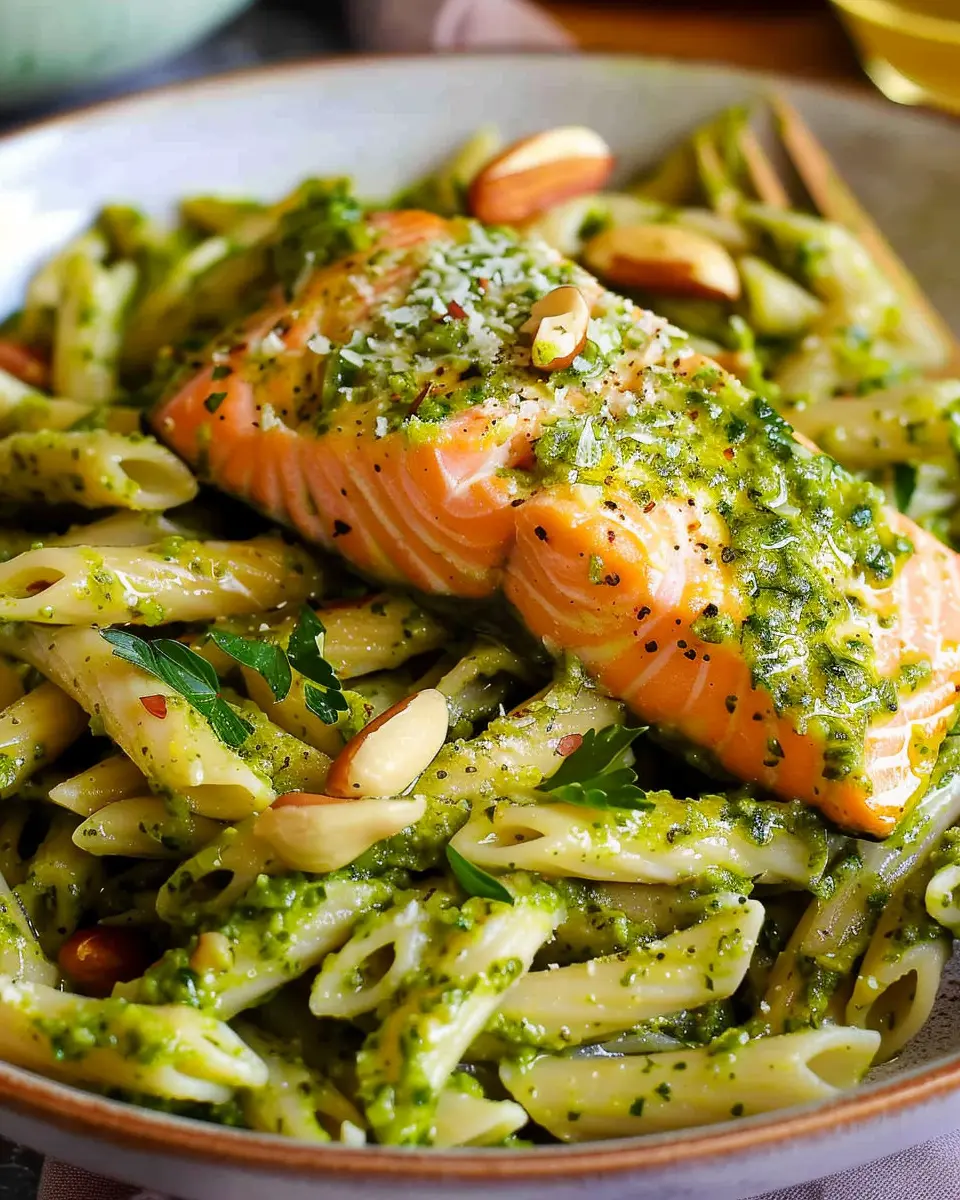





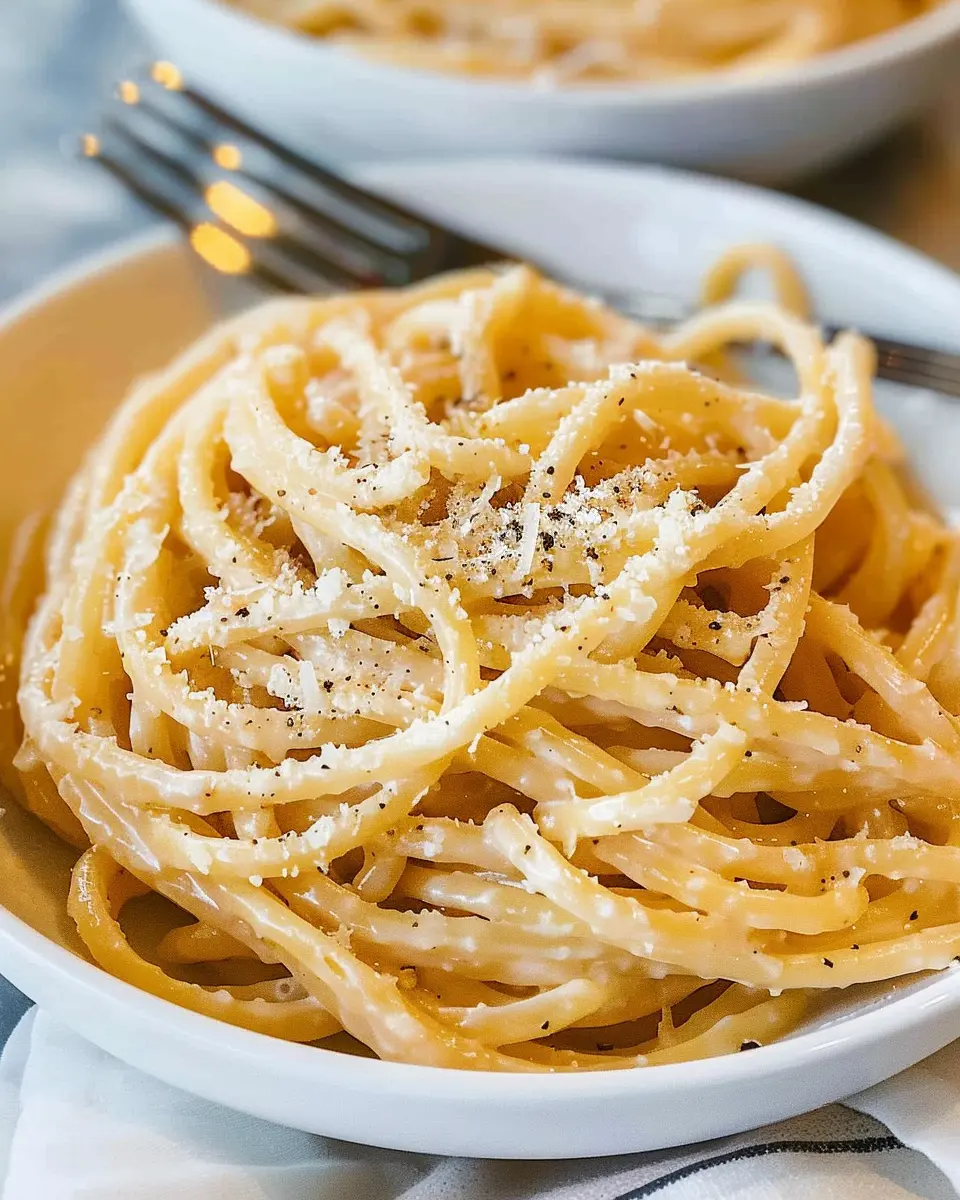
Introduction to Bucatini Cacio e Pepe
The Simplicity and Elegance of Cacio e Pepe
When it comes to Italian cuisine, few dishes encapsulate the essence of simplicity and elegance quite like bucatini cacio e pepe. This classic Roman dish beautifully combines just a few quality ingredients—bucatini pasta, Pecorino Romano cheese, and freshly cracked black pepper—to create a meal that is both comforting and sophisticated. It’s the culinary equivalent of a well-tailored suit: effortlessly stylish and perfect for almost any occasion.
What makes cacio e pepe truly special is its minimalism. You won’t find intricate sauces or an array of toppings here. Instead, this dish relies on the quality of its ingredients and the technique used to create that creamy, luscious sauce. The starchy pasta water is your secret weapon. It helps emulsify the cheese and pepper into a velvety coating that clings to each strand of bucatini, making every bite as delightful as the last.
If you’re new to cooking or simply want to impress your friends during a dinner party, bucatini cacio e pepe is a fantastic choice. It requires minimal prep and cooking time—perfect for busy young professionals. You can even prepare it in less than 30 minutes! Plus, it allows for customization; feel free to experiment with different pasta shapes or sprinkle in some extra toppings like crispy Turkey Bacon or Chicken Ham for added flavor.
Did you know that variations of cacio e pepe date back to ancient Roman times? According to culinary historians, this dish was traditionally favored by shepherds due to its hearty ingredients that were easy to transport. You might also find engaging discussions about such traditional dishes on sites like Eater or Bon Appétit.
As you dive into making this dish, remember that it’s not just about the recipe; it’s about the experience. Gather your ingredients, invite a friend over, and enjoy the simple pleasure of cooking and sharing a meal. After all, food is meant to be enjoyed in good company!
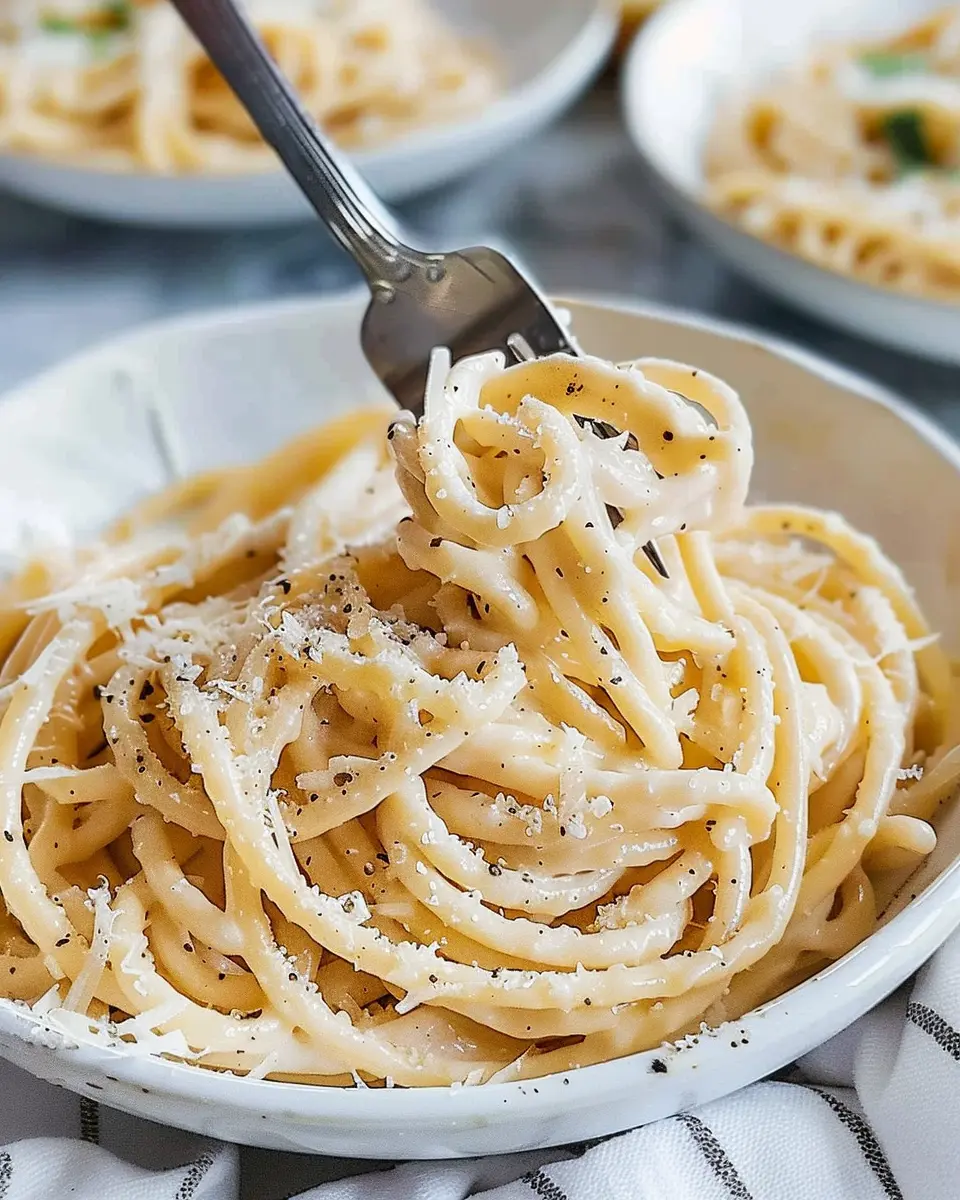
Ingredients for Bucatini Cacio e Pepe
Essential Ingredients for Authentic Flavor
To create an unforgettable bucatini cacio e pepe, you only need a handful of key ingredients. It’s all about simplicity, allowing each element to shine through.
-
Bucatini Pasta: The star of the dish! This thick, spaghetti-like pasta has a hollow center, perfect for holding onto the creamy sauce. Choose a high-quality brand for the best texture.
-
Pecorino Romano Cheese: This sheep’s milk cheese is crucial for that rich, savory flavor. Freshly grated is always better than pre-packaged. Feel free to explore more about authentic Italian cheeses here for guidance.
-
Freshly Ground Black Pepper: The heat and earthiness of black pepper are essential. Adjust to your taste, but don’t shy away from a generous amount; this dish is all about the peppery kick!
-
Salt: Essential for seasoning both the pasta water and the dish itself.
By sticking to these fundamentals, you’ll create a delightful experience reminiscent of a cozy Roman trattoria. So, are you ready to elevate your pasta game? Let’s dive into the cooking process!
Preparing Bucatini Cacio e Pepe
Making bucatini cacio e pepe is more than just following a recipe; it’s about capturing the essence of Italian comfort food. This dish is simple yet deeply satisfying, with its rich flavors and satisfying texture. Let’s dive into the preparation so you can impress your friends and family with your culinary skills.
Prepare the Water for the Pasta
The first step in creating a magnificent bucatini cacio e pepe is preparing the pasta. Fill a large pot with water—plenty of water is essential to giving your pasta room to swim freely. Adding enough salt is crucial; aim for the salinity of the sea. A general rule of thumb is to add about 2 tablespoons of salt for every 4 quarts of water. Bring the water to a rolling boil, and this salty water will season the pasta as it cooks.
While the water heats up, it’s a good time to grab your bucatini pasta. This thick, hollow spaghetti is often the unsung hero of pasta dishes due to its ability to capture sauces. You can find authentic bucatini at Italian markets or opt for high-quality brands at your local grocery store.
Heat the Olive Oil and Pepper
While your pasta is cooking, it’s time to infuse some wonderful flavors into your dish. In a large skillet, heat around 2 tablespoons of extra virgin olive oil over medium heat. This is where the magic happens. As the oil warms, add a generous amount of freshly cracked black pepper—about 1-2 teaspoons should do. You’ll want to watch this closely! The oil can heat up quickly, and we just want to bring out the pepper’s aromatic flavors without burning them.
The combination of the olive oil and pepper creates a foundation for your sauce, and the scent alone is enough to make anyone’s mouth water. Plus, freshly cracked pepper adds that lovely kick, characteristic of classic Italian dishes.
Whisk in Pasta Water and Butter
Once you’ve achieved the perfect aroma, it’s time to bring in some liquid gold. When your bucatini is just about al dente (typically about 2 minutes shy of the package instructions), use tongs to transfer it directly from the boiling water into your skillet with the oil and pepper. Don’t forget to reserve some of that starchy pasta water!
Add in about 1/2 cup of the reserved pasta water and a tablespoon of butter to the skillet. This is where your sauce begins to emulsify and come together into a creamy delight. Stir everything vigorously, ensuring every strand of masterfully cooked bucatini is coated with that exquisite pepper-infused oil mixture. The starch from the pasta water will help bind the sauce to your noodles, creating that sought-after creamy texture.
Combine Pasta and Sauce
At this stage, everything should be blending beautifully. If you notice your sauce is too thick, you can always add more pasta water, a couple of tablespoons at a time. The goal is to achieve that luxurious, silky consistency without making it soupy.
Toss your bucatini in the skillet until each piece is evenly coated. This is your moment to shine! If you’re feeling extra adventurous, consider adding a few shavings of turkey bacon or chopped chicken ham for an added layer of flavor—a delightful twist that complements the classic recipe beautifully while keeping it simple.
Add Pecorino Romano and Serve
Lastly, but certainly not least, it’s time for the star of the show: cheese! Remove the skillet from heat and immediately stir in about 1 cup of freshly grated Pecorino Romano cheese. The heat from the pasta and sauce will melt the cheese, swirling it into a creamy sauce that clings perfectly to each strand of bucatini.
Serve your bucatini cacio e pepe immediately, garnished with a little more freshly cracked pepper and perhaps a sprinkle of extra cheese, if you’re feeling indulgent. This dish shines best when enjoyed straight from the stove—so gather around the table and dig in!
For more culinary inspiration or techniques, consider checking out sources like Serious Eats for inspirational Italian recipes. Happy cooking!
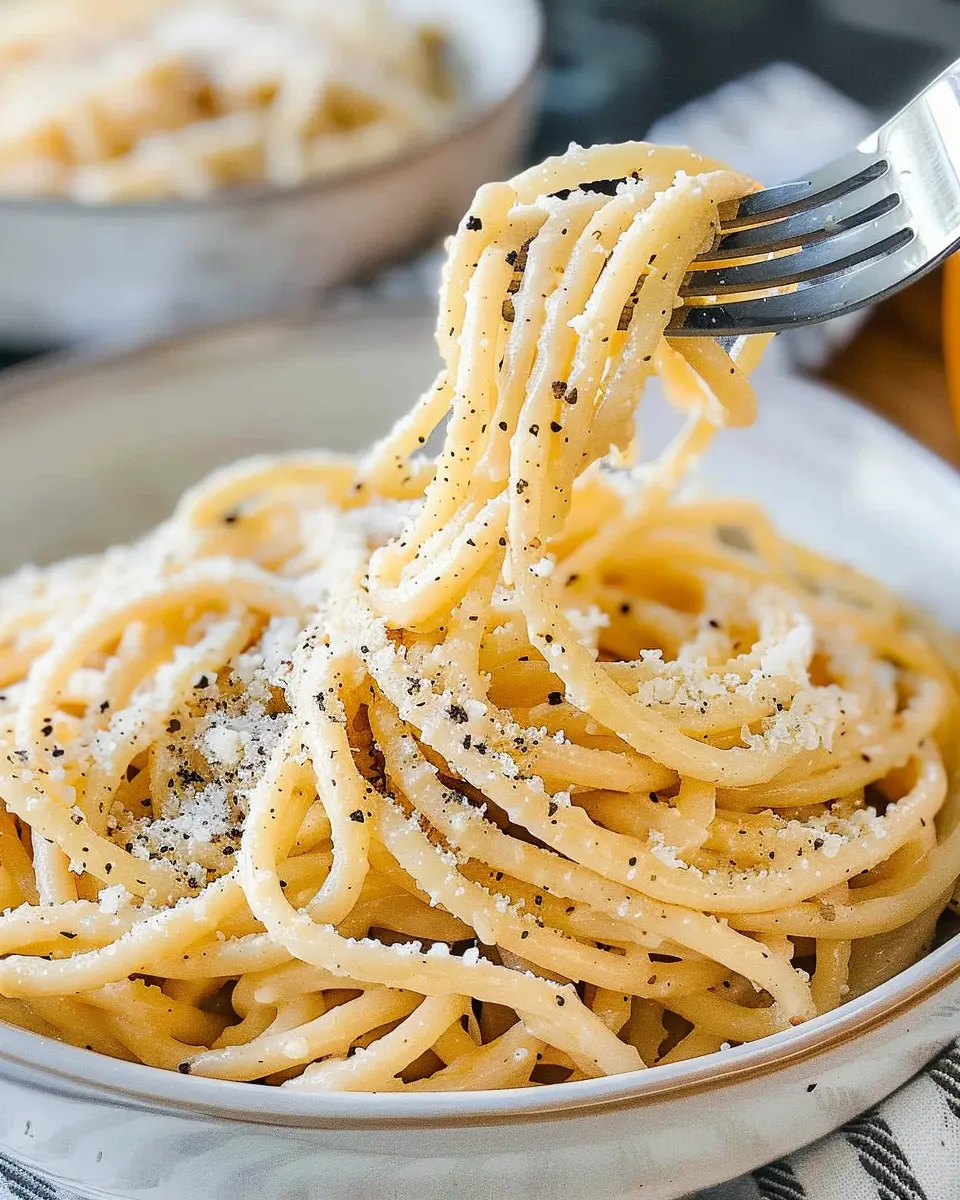
Variations on Bucatini Cacio e Pepe
Adding a Twist: Incorporating Vegetables
Bucatini cacio e pepe is famously simple, but have you ever thought about enhancing it with vegetables? Adding seasonal veggies not only brings color to your plate but boosts nutrition too!
- Spinach or Kale: Toss in some sautéed spinach or kale right at the end for a vibrant green touch. The slight bitterness of these greens complements the creamy cheese beautifully.
- Roasted Cherry Tomatoes: For a burst of sweetness, add roasted cherry tomatoes. They become juicy and caramelized, creating a delightful contrast with the traditional flavors of cacio e pepe.
- Zucchini Noodles: Want to lighten up the dish? Substitute a portion of the bucatini with spiralized zucchini. This makes for a refreshing, lower-carb meal without losing that mouthwatering satisfaction.
Check out EatingWell for more veggie inspiration!
Using Different Cheeses for Unique Flavors
The classic Pecorino Romano may reign supreme in traditional bucatini cacio e pepe, but why not experiment?
- Parmesan: For a milder, nuttier flavor, substitute half or all of the Pecorino with freshly grated Parmesan. It adds a creaminess that pairs nicely with the black pepper.
- Ricotta Salata: This cheese is firmer and offers a delightful crumbly texture that can elevate your dish. Mix it in just before serving for a unique twist on the classic recipe.
- Aged Gruyère: If you’re feeling adventurous, try incorporating aged Gruyère. Its rich, nutty flavor can transform your dish into a gourmet experience.
Exploring different cheeses can truly elevate your bucatini cacio e pepe, making it a delightful culinary journey. Why not experiment and discover your favorite combination? Happy cooking!
Cooking Tips and Notes for Bucatini Cacio e Pepe
Perfecting the Creamy Texture
Achieving the perfect creamy texture in bucatini cacio e pepe might seem daunting, but a few key tips can help you nail it every time!
- Use Freshly Grated Cheese: Opt for high-quality Pecorino Romano, freshly grated. Pre-packaged cheese often contains anti-caking agents that can prevent it from melting smoothly.
- Starchy Pasta Water is Your Friend: Reserve some of the pasta cooking water before draining. The starch helps emulsify the sauce and creates that luscious, creamy texture you’re after. Start with ½ cup of water and add more as needed.
- Mix Off the Heat: Once you’ve combined the cheese and pasta, do it off the heat. This helps the cheese melt beautifully without clumping.
Feeling adventurous? You can experiment with different cheeses like Parmigiano-Reggiano for a unique twist. For a deeper dive into pasta cooking techniques, check out Serious Eats. Happy cooking!
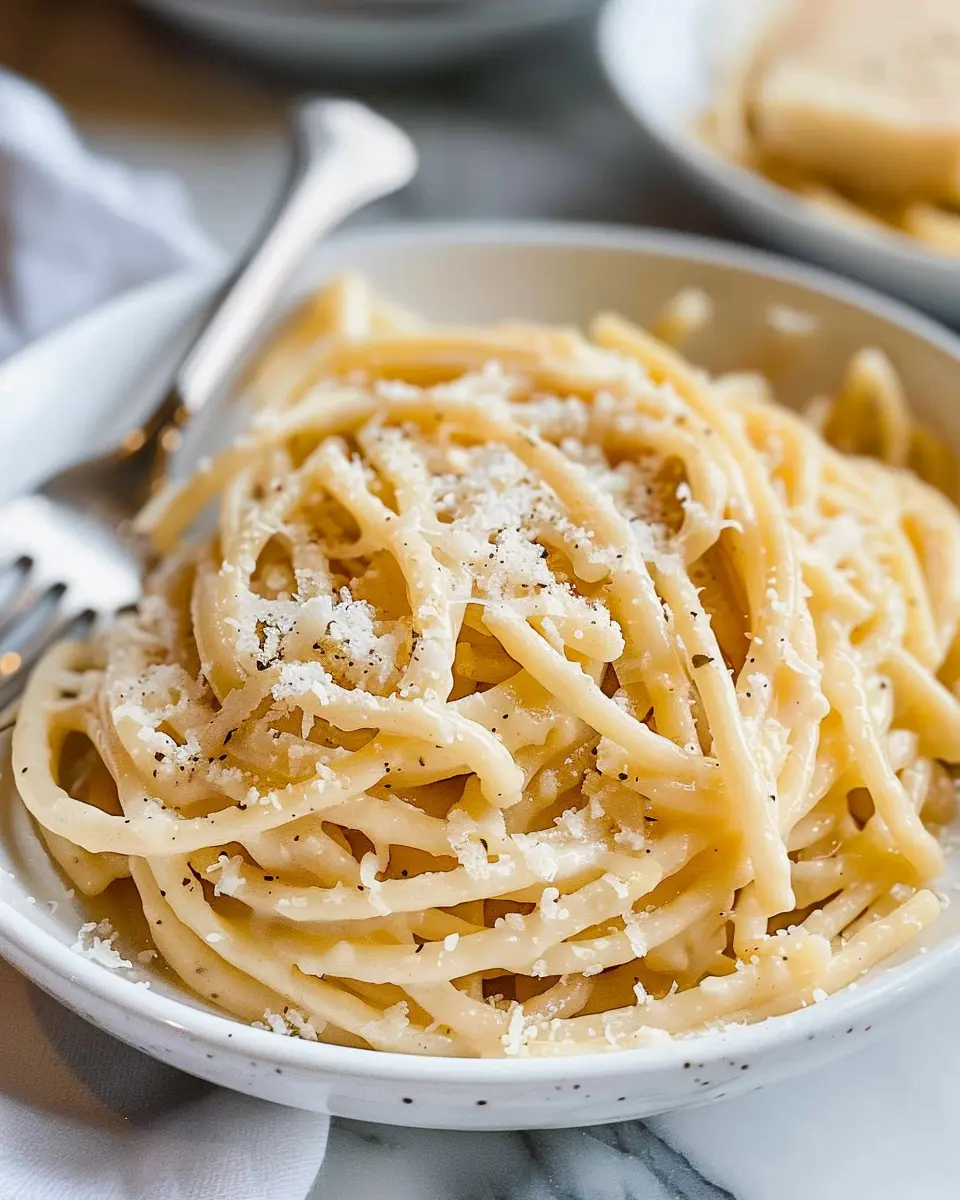
Serving Suggestions for Bucatini Cacio e Pepe
Elevate Your Plate Presentation
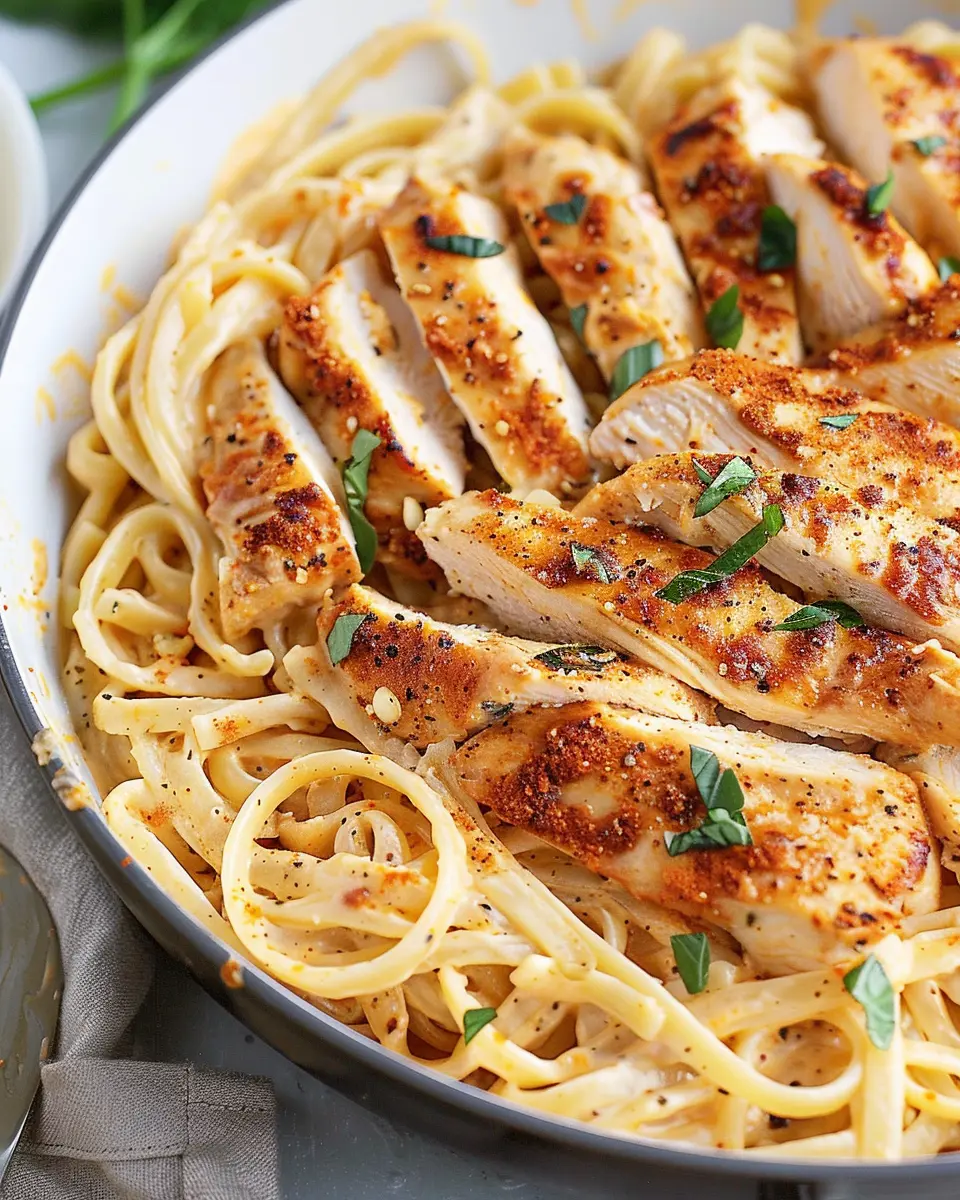
When serving bucatini cacio e pepe, presentation can truly elevate the experience. Start by twirling the pasta into a nest shape at the center of a simple, white plate—this allows the creamy sauce and pepper to shine. Garnish with freshly cracked black pepper and a sprinkle of grated Pecorino Romano for that extra touch. A sprig of fresh parsley or a drizzle of high-quality olive oil can add a touch of vibrancy and color.
For a rustic feel, consider using a wooden bowl or a charming ceramic dish, making your dining table just as inviting as the dish itself.
Pairing Options for a Complete Meal
To round out your bucatini cacio e pepe, consider serving it with some delightful accompaniments:
- Appetizers: A light arugula salad with a lemon vinaigrette pairs wonderfully, balancing the richness of the dish.
- Protein: Grilled or baked chicken ham is a great option to add a savory protein without overshadowing the pasta’s flavors.
- Vegetable Side: Roasted seasonal vegetables can add color and healthiness to your meal while bringing a nice contrast to the creamy pasta.
Don’t forget to end the meal with a light dessert, like a citrus sorbet, to cleanse your palate! For more tips on perfect pairings, check out this dining guide from Bon Appétit.
The beauty of bucatini cacio e pepe is in its simplicity, but with these suggestions, you can create a memorable meal that feels special. Happy cooking!
Time Breakdown for Bucatini Cacio e Pepe
Preparation Time
Getting ready to make bucatini cacio e pepe is a breeze—just set aside about 10 minutes. This includes gathering your ingredients and tools, such as a pot for boiling pasta and a large mixing bowl for combining flavors.
Cooking Time
The actual cooking time is around 15 minutes. You’ll want to boil the bucatini until al dente and then quickly toss it with the pepper and cheese for that perfectly creamy finish.
Total Time
In total, you’re looking at about 25 minutes from start to finish. It’s a quick, satisfying meal that’s perfect for a weeknight dinner! Got a busy schedule? You can always prep the cheese and pepper mix in advance to save time later.
For a fantastic guide on cooking pasta to perfection, check out this resource for some tips and tricks!
Nutritional Facts for Bucatini Cacio e Pepe
When you’re craving a delicious and comforting dish, bucatini cacio e pepe is a fantastic choice. But how does it stack up nutritionally? Here’s a quick look at its key nutritional facts.
Calories
A standard serving of bucatini cacio e pepe contains around 400-600 calories, depending on portion size and the amount of cheese used. Keep this in mind if you’re watching your calorie intake, as it’s a rich and hearty meal.
Protein Content
This dish offers about 15-20 grams of protein per serving, mainly sourced from the cheese and pasta. For those looking to increase their protein intake, consider pairing it with a side of grilled chicken or some turkey bacon for an added boost.
Sodium Levels
One thing to note is the sodium content; a serving can pack a punch with 600-800 mg. This comes mostly from the cheese and any added seasonings. If you’re watching your sodium intake, consider using low-sodium alternatives or adjusting the cheese quantity.
For more detailed nutritional information, you can visit sources like NutritionData or the USDA FoodData Central. Understanding these facts can help you enjoy your bucatini cacio e pepe without any regrets!
FAQs about Bucatini Cacio e Pepe
What is bucatini, and how is it different from other pasta?
Bucatini is a unique pasta shape that resembles thick spaghetti but has a charming twist—it’s hollow in the center! This gives it an appealing texture, perfect for holding onto rich sauces like the creamy, peppery blend in Cacio e Pepe. Unlike other pastas, the hollow core of bucatini allows every delicious bite to be infused with flavor, making it a fantastic choice for this dish. If you’re interested in learning more about different pasta types, this guide provides some great insights.
Can I make Cacio e Pepe ahead of time?
Yes, you can! Cacio e Pepe is best enjoyed fresh, but if you need to prepare it in advance, just cook your bucatini a bit less than al dente. When you’re ready to serve, simply reheat it gently with a splash of chicken broth or reserved pasta water to help revive that creamy sauce. Just keep in mind that the iconic creaminess may lose a bit of its charm, but it’ll still be delicious!
How can I adjust the spice level in Cacio e Pepe?
When it comes to spice, it’s all about your personal preference! The key ingredient for the pepperiness in bucatini cacio e pepe is freshly cracked black pepper. To make it milder:
- Start with less black pepper, perhaps a half teaspoon, and gradually add more to your comfort level.
- If you’re feeling adventurous, consider adding a pinch of red pepper flakes for extra warmth without overwhelming heat.
Remember, you can always dial up the spice, but toning it down may be trickier post-cooking, so adjust accordingly!
With these FAQs, you’ll have everything you need to make a delectable Bucatini Cacio e Pepe that impresses! If you have more questions, feel free to explore more about this iconic dish and other pasta recipes.
Conclusion on Bucatini Cacio e Pepe
Celebrating Homemade Food and Simple Ingredients
Bucatini cacio e pepe is a beautiful representation of how homemade food can bring comfort and joy. With just a few simple ingredients—pasta, cheese, and pepper—you can create a dish that is not only easy to make but also bursting with flavor.
This recipe invites you to embrace cooking as a delightful experience. As you twirl those bucatini noodles on your fork, take a moment to appreciate the art of simplicity in your meal. In a world filled with complex recipes, there’s something truly special about crafting a classic dish from scratch. So, gather your ingredients, put on your favorite playlist, and enjoy. Your taste buds will thank you! For more inspiration, check out resources like Serious Eats or Epicurious for other simple yet delectable recipes.
PrintBucatini Cacio e Pepe: The Best Comfort Food Made Easy

Learn how to make Bucatini Cacio e Pepe, a delightful Italian pasta dish that’s easy and quick, perfect for comfort food lovers.
- Prep Time: 10 minutes
- Cook Time: 15 minutes
- Total Time: 25 minutes
- Yield: 4 servings 1x
- Category: Pasta
- Method: Boiling
- Cuisine: Italian
- Diet: Vegetarian
Ingredients
- 12 ounces bucatini pasta
- 1 cup freshly grated Pecorino Romano cheese
- 1 tablespoon freshly cracked black pepper
- Salt for pasta water
Instructions
- Boil water in a large pot and add salt.
- Add bucatini pasta and cook until al dente, following package instructions.
- In a large bowl, combine the grated Pecorino Romano and black pepper.
- Reserve a cup of pasta water, then drain the pasta.
- Add the hot pasta to the cheese mixture and stir, adding reserved pasta water as needed to create a creamy sauce.
- Serve immediately with extra cheese and pepper if desired.
Notes
- For a creamier sauce, adjust the amount of pasta water added.
- Experiment with different cheeses for varied flavors.
Nutrition
- Serving Size: 1 plate
- Calories: 600
- Sugar: 1g
- Sodium: 400mg
- Fat: 25g
- Saturated Fat: 10g
- Unsaturated Fat: 10g
- Trans Fat: 0g
- Carbohydrates: 75g
- Fiber: 3g
- Protein: 20g
- Cholesterol: 30mg
Keywords: Bucatini, Cacio e Pepe, comfort food, Italian recipes